Stuart Burch
www.stuartburch.com
  • 01 Home
  • 02 Articles
  • 03 Blog
  • 04 Big Ben
  • 05 Reviews
  • 06 Talks
  • 07 Contact
  • 08 Search
  • 09 Twitter
  • 10 Etisarap

In the shadow of no commemoration

11/9/2012

 
A sketch of the Twin Towers
“Nothing like commemorating an event to help you forget it.”

So wrote Art Spiegelman in his cathartic book, In the Shadow of No Towers (2004). This monumental tome is an analogue to the Twin Towers that Spiegelman saw vanish from the place this self-styled “‘rooted’ cosmopolitan” calls home.

I am reading Spiegelman’s book to help me write my own work of memorialisation under the provisional title, “Forked no lightning: remembering and forgetting in the shadow of Big Ben”.

Half-way through In the Shadow of No Towers, Spiegelman recalls feeling asphyxiated by the flag-waving nationalism that characterised the “mind-numbing 2002 ‘anniversary’ event” (p.5). A year later the same date left him railing against the exact same “jingoistic strutting” (p. 10).

So perhaps Spiegelman was right to argue that there really is nothing like a good (or bad) commemoration to help you forget something?

Then it struck me: today is Tuesday 11th September! It’s gone 9 pm as I write, which means that almost an entire “9/11” has passed by without comment from family, friends, colleagues, strangers or those hourly BBC Radio 4 news bulletins that punctuate my day.

“The unmentionable odour of death offends the September night”. So wrote W.H. Auden in his poem “September 1st, 1939”. In 2003, Spiegelman asserted that this odour “still offends as we commemorate two years of squandered chances to bring the community of nations together” (p.10).

Many more chances have been missed since then. But at least the air seems to have cleared. Indeed, the breeze is so brisk that it appears to have blown away the cobwebs of 9/11 entirely. I guess we’ll just have to wait for a nice round number before we start remembering again...

And with that thought I slide my battered copy of In the Shadow of No Towers back into the oblivion of my bookcase. A lot of dust is destined to gather before a frisson of nostalgia prompts me to reach for it once again on 9/11/2021.

_________
Supplemental 1

I stand corrected. BBC Radio 4’s “The World Tonight” at 10 o’clock has just referred to the anniversary of 9/11. It did so in relation to the Stars and Stripes that was hanging at half-mast at the US Embassy in Cairo. Why was this mournful flag mentioned? Because protestors stormed the compound, tore it down and replaced it with an Islamist banner. They were angered by the imminent release of the film Innocence of Muslims. This appears to have some connection to Florida Pastor and part-time religious book burner, Terry Jones.(1)

I do hope that news of this depressing incident doesn’t reach Art Spiegelman. It’ll simply confirm his despairing belief that “brigands suffering from war fever have since hijacked those tragic events…” (p. 4).

___
Note

(1) For the background to this story and its deadly consequences see Matt Bradley and Dion Nissenbaum, “U.S. Missions Stormed in Libya, Egypt”, The Wall Street Journal, http://online.wsj.com/article/SB10000872396390444017504577645681057498266.html

_________
Supplemental 2
12/09/2012

This affair becomes more tragic with every passing hour. Reports from Libya indicate that at least four consulate staff - including US ambassador, J. Christopher Stevens -  have been killed. What a tragic act of pseudo commemoration._

Shulamith Firestone (1945-2012)

2/9/2012

 
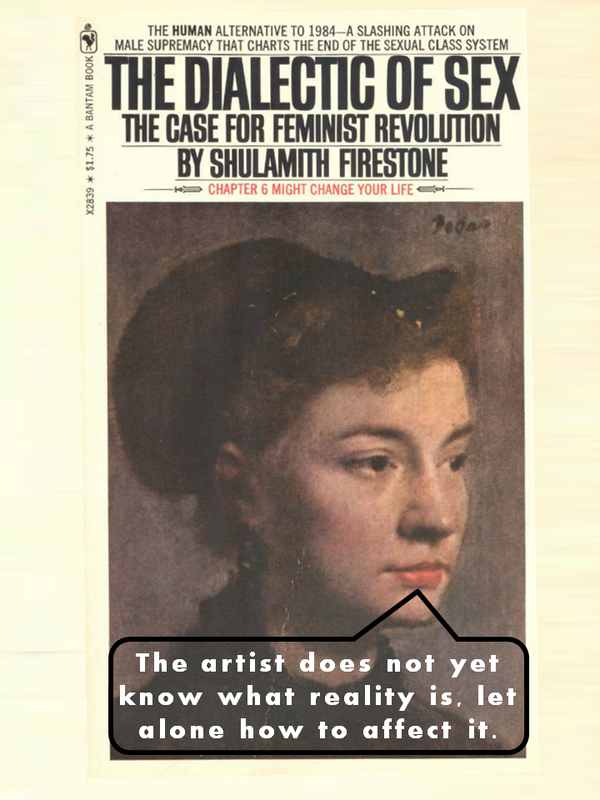
Cover of Shulamith Firestone's book The Dialectic of Sex
_


“The artist does not yet know what reality is, let alone how to affect it. Paper cups lined up on the street, pieces of paper thrown into an empty lot, no matter how many ponderous reviews they get in Art News, are a waste of time. If these clumsy attempts are at all hopeful, it is only insofar as they are signs of the breakdown of ‘fine’ art.”

Shulamith Firestone (1945-2012)
The Dialectic of Sex:
The Case for Feminist Revolution
New York: Bantam, 1971, p.188

Monuments are as fugitive as the years

1/9/2012

 
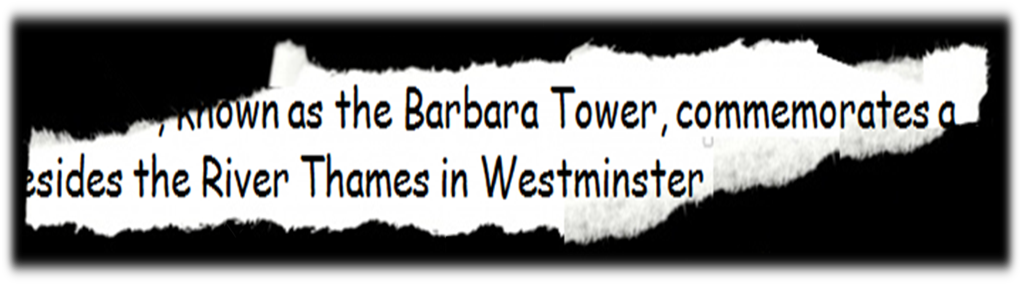
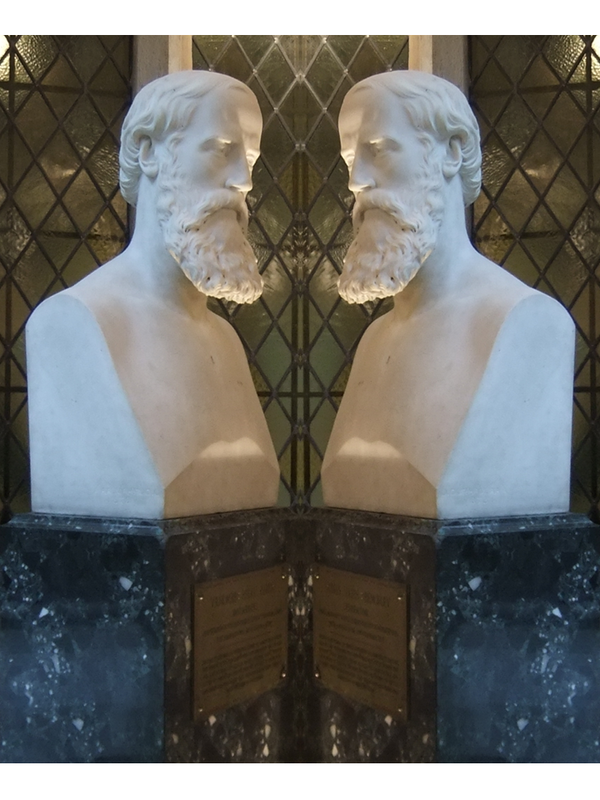
The Barbara Tower at the New Palace of Westminster
“The places that we have known belong now only to the little world of space
on which we map them for our own convenience.
None of them was ever more than a thin slice,
held between the contiguous impressions that composed our life at that time;
remembrance of a particular form is but regret for a particular moment;
and houses, roads, avenues are as fugitive, alas, as the years.”

Marcel Proust, Remembrance of Things Past, Volume I,
translated by Charles Kenneth Scott-Moncrieff

New life in old balls

8/7/2012

 
Nick Newlife and Oxfam
Andy Murray + Wimbledon + nationalism

Could there possibly be a more depressing combination?

I very much doubt it.

Alas, the media’s obsession with all this old balls made it harder to avoid than Christmas.

Fortunately on this occasion there is cause for genuine interest and, indeed, celebration.

This is because the local foreigner’s loss was Oxfam’s gain.

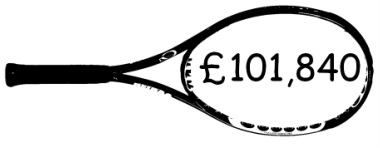
When a gentleman by the name of Nick Newlife died in 2009 he generously bequeathed his entire estate to the charity. This included a betting slip. Back in 2003, Newlife wagered £1,520 that the Swiss tennis player, Roger Federer would win Wimbledon seven times before the year 2019.

At odds of 66/1, Oxfam will now collect Newlife’s winnings: a cool £101,840.

So, just for once, can we please forget about new balls and old nationalisms?

Let's sing the praises of Newlife instead.

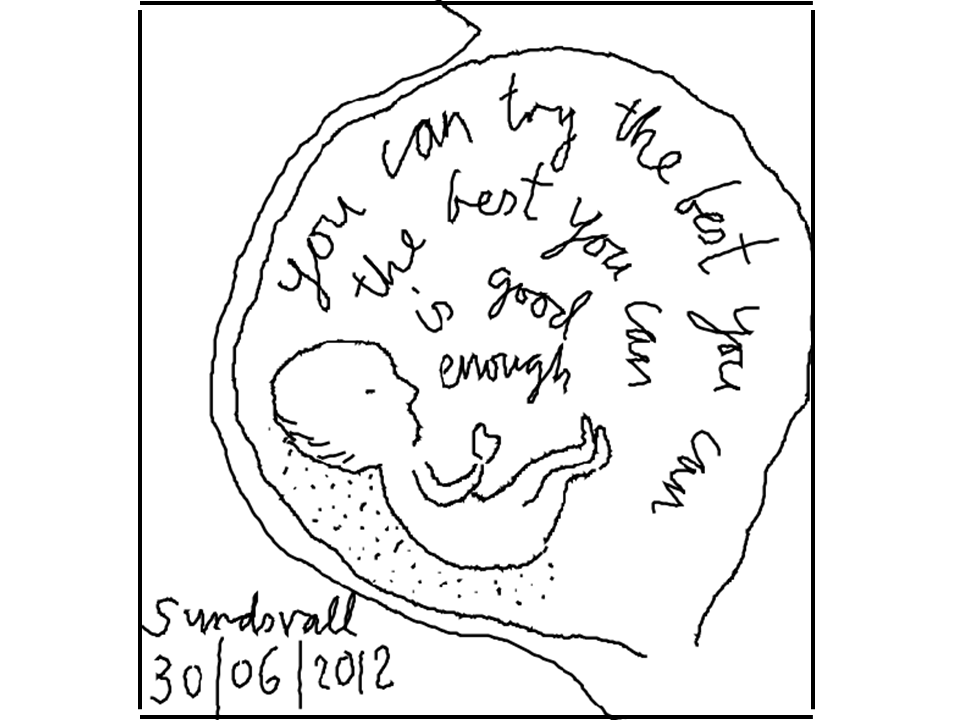
The best you can is good enough

6/7/2012

 
The best you can is good enough
Radiohead
"Optimistic"
Kid A
Parlophone
5'15" | 2000

In Blooms's antique saleshop window

16/6/2012

 
In Lionel Marks’s antique saleshop window haughty Henry Lionel Leopold dear Henry Flower earnestly Mr Leopold Bloom envisaged battered candlesticks melodeon oozing maggoty blowbags. Bargain: six bob. Might learn to play. Cheap. Let her pass. Course everything is dear if you don’t want it. That's what good salesman is. Make you buy what he wants to sell. Chap sold me the Swedish razor he shaved me with. Wanted to charge me for the edge he gave it. She’s passing now. Six bob.

James Joyce, Ulysses, 1922
http://www.gutenberg.org/ebooks/4300

Every Friday buries a Thursday

16/6/2012

 
Images to celebrate James Joyce’s Ulyssess on “Bloomsday” – 16th June.

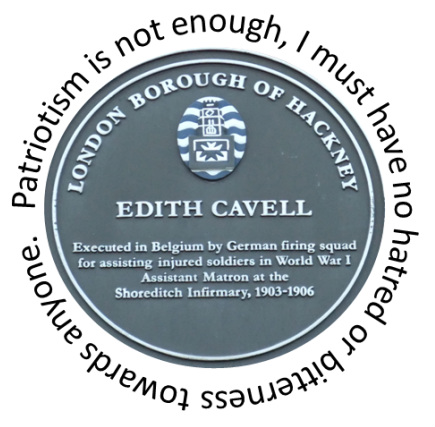
Patriotism is not enough

8/6/2012

 
Edith Cavell plaque
Edith Cavell (1865-1915)

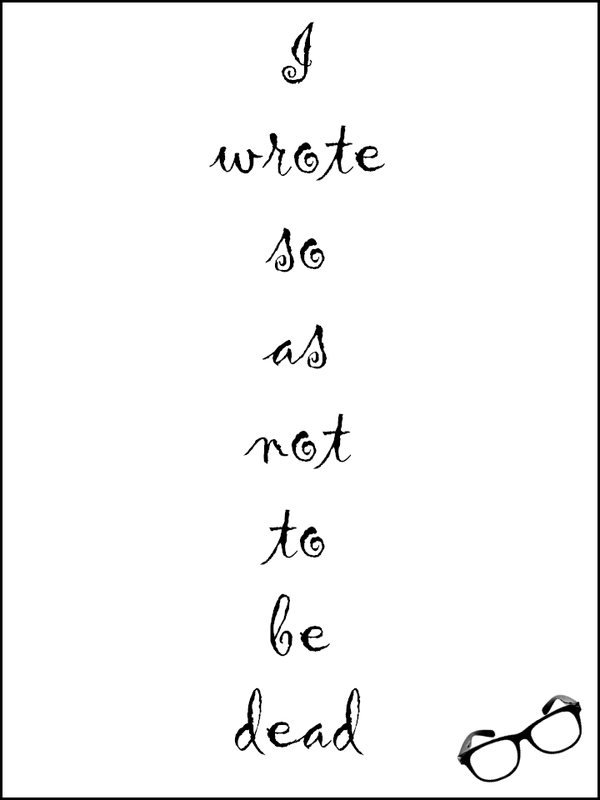
Ray Bradbury, The Immortal Man

7/6/2012

 
Ray Bradbury, I wrote so as not to be dead
Ray Bradbury
1920-2012

Margaret Atwood has interesting things to say about Bradburian immortality:
   “Ray Bradbury: the tale-teller who tapped into the gothic core of America”
The Guardian, 08/06/2012

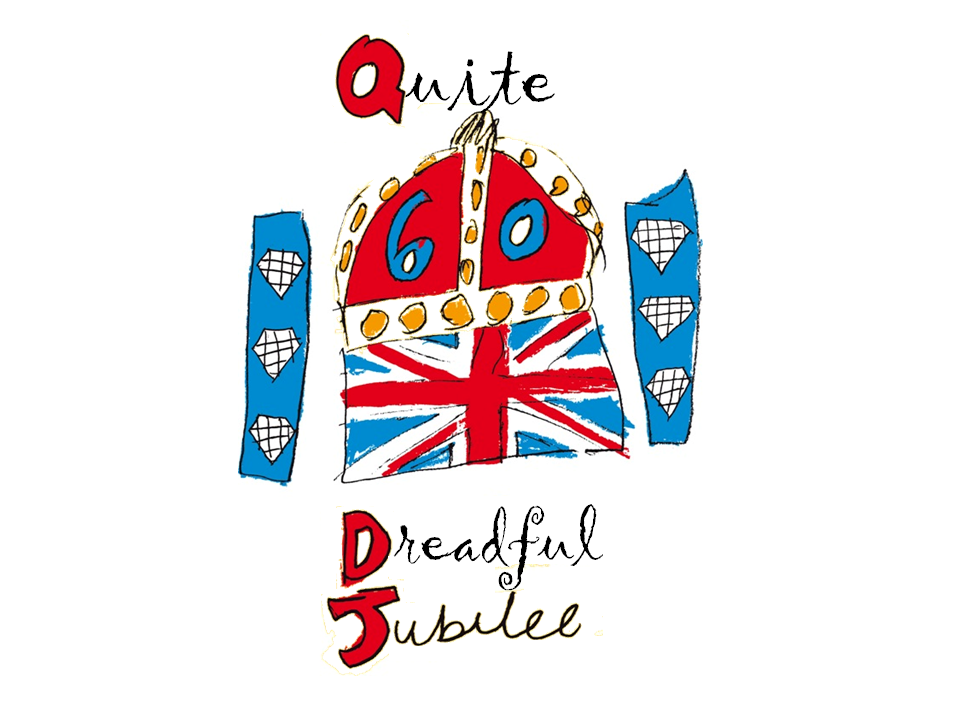
Jubifree!

5/6/2012

 
Jubilee free

New kook

5/6/2012

 
David Bowie
"Kooks"
Hunky Dory
1971, RCA,  2:53

Maidstone Museum mutates

2/6/2012

 
Images to accompany my recent exhibition review of Maidstone Museum & Bentlif Art Gallery in the county of Kent (Museums Journal, Issue 112 (05), pp. 54-57).

The museum is rightly grateful to that most capacious of collectors, Julius Brenchley (1816-73). This hoarder has been mentioned in an earlier blog posting, which also alluded to the bedroom antics of Maidstone Museum’s former curator, William Lightfoot. See “Brenchley's bedroom benefaction”.

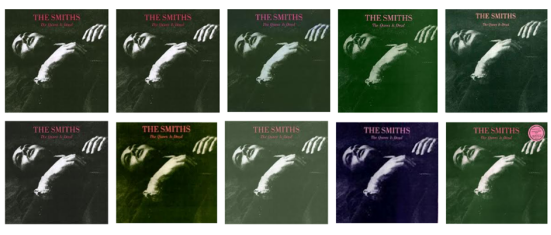
The Queen is (still not) Dead

2/6/2012

 
The Queen is (still not) Dead
The weather in Stockholm today is terrible.

This is precisely the sort of thing that kills me. What happens whenever I feel like going for a nice walk where it’s quiet and dry? The rain pours down and flattens my hair, that’s what.

I wonder what it’s like back in dear old Blighty?

On second thoughts, I don’t really care: I’ve said farewell to that particular land’s cheerless marshes. I swear it’s the last time I sit on a delayed, overcrowded train stuck among the railway arches somewhere between London, Liverpool, Leeds or Birmingham. There’s nothing worse than being hemmed in like a boar.

Even so, I’d still like to go back now and then to chat about precious things.

But, really, the things you read in the British newspapers! All those jeremy hunts spouting inane rubbish about love, law and poverty.

Perhaps it’s just me, but don’t the way things are going make you wonder if the world has changed? I don’t trust anyone these days, not with all the lies they make up. True, people don’t have long hair any more. And all the pubs have shut down together with the churches. But the liars are still at large: everyone’s out to snatch your money or wreck your body.

God, my limbs ache. And it feels so lonely, despite being hemmed in by so many bores.

And the media doesn’t help either. I read about a gang of kids peddling drugs. Honest to God, I never even knew what drugs were at their age. I was too tied to my mother’s apron strings to worry about incarceration, castration or coronations.

Actually, that reminds me of one bright spot to brighten up Blighty’s cheerless marshes. Did you see that picture on the front of the other day’s Daily Mail? I know she only suffered mild concussion, but it was a really wonderful thing to see her royal lowness all bandaged up and with her head in a sling.

I wonder what Charles thought when he saw it? He’d probably liked to have been the monarch on the front cover, veiled in some regalia nicked from his mum.

Why is it that he of all people should be next in line for regality? I bet if the libraries or archives were still open any one of us could find some historical facts to prove that they are a pale descendent of some old queen from eighteen generations back.

No-one cares of course. Especially not those flag-waving patriots hemmed in like boars along their rain-soaked street parties that stretch from London to Liverpool, Leeds to Birmingham.

Honestly, the only way to get them to listen would be to break into Buckingham Palace armed with just a rusty spanner hidden inside a sponge.

Sneaking past Charles wouldn’t be difficult: he’d be too busy struggling into his mater’s bridal veil and practicing his coronation steps to notice me flit past.

And I bet his mother would confuse me for someone else:

“Eh, I know you”, she’d rasp, “and you cannot sing”.

“That’s nothing”, I’d reply whilst prising my corroded tool from its soft wrapping: “you should hear me play piano”.

This won’t happen, of course. It’s raining too hard for me to venture out.

So I may as well stay here where it’s quiet and dry.

Perhaps I’ll take a surreptitious peek at the Daily Mail online. Oh, look! It says here that the queen has just taken a nasty tumble...

Morrissey/Marr (with Mills, Godfrey & Scott)
“The Queen Is Dead (Take Me Back to Dear Old Blighty)”
The Queen is Dead, Rough Trade / Sire, 1986, 6:24

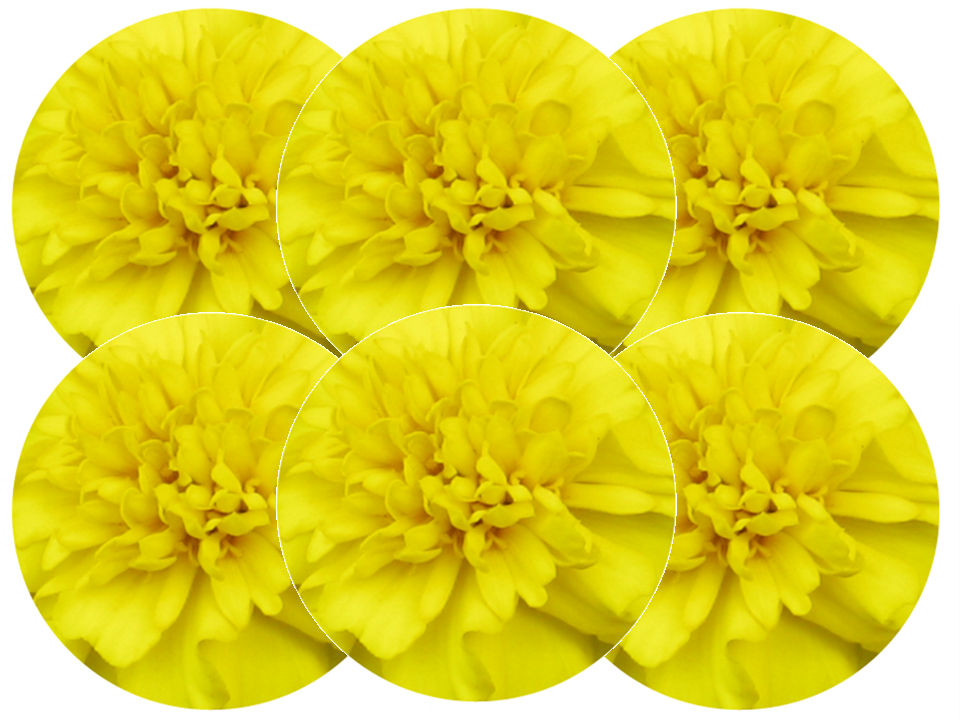
Jubilant yellow tagetes

30/5/2012

 
Yellow tagetes for the Queen
Guerrilla gardeners bathe "The Archers" in republican yellow!

Sharp objects cause nasty pricks

22/5/2012

1 Comment

 
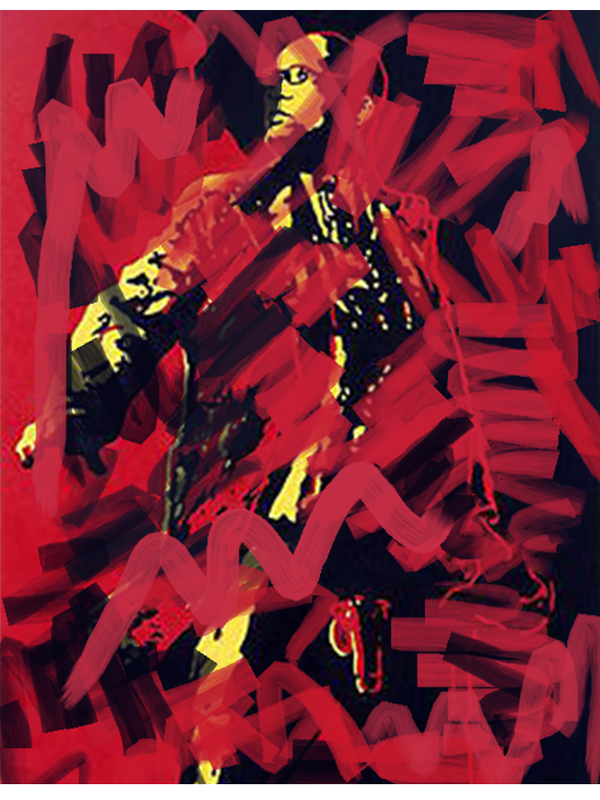
(After) Brett Murray's
(After) Brett Murray's "The Spear"

See "Jacob Zuma painting vandalised in South Africa gallery"
BBC News, 22/05/2012, http://www.bbc.co.uk/news/world-africa-18159204
1 Comment

Cromwell Tower and the all-New Palace at Westminster

25/3/2012

 
A regicide in a royalist pantheon
I am a republican with little interest in the pharmaceutical industry. This summer will therefore be a testing time for me, what with London hosting the Olympic Games and the British monarch celebrating her diamond jubilee.

Fortunately these two events are only temporary. They will, however, leave lasting legacies. One such is the 175,000 m2 Westfield Stratford City shopping centre. Britain’s gold medal haul would really rocket if the "Retail Relay" were to become an Olympic event.

Heaven on earth is now a reality for the shoppers of London.

Meanwhile, another legacy project has yet to be accomplished. And, in an effort to help ensure that it remains that way, I have rushed to my keyboard with the same zeal as a drug-fuelled athlete reacting to the boom of the starting pistol.

For it grieves me to report that a group of cretinous politicians are proposing to turn the Houses of Parliament's "Big Ben" into the "Elizabeth Tower" in honour of our dear old queen.(1)

Now, a number of arguments can be deployed to support this obsequious suggestion.

Firstly, the name change wouldn't really matter. The vast majority of locals and visitors would continue to mistakenly refer to it as "Big Ben". Its proper – and far more mundane title – is simply "the Clock Tower". Big Ben alludes to its great bell, which in turn is probably a reference to the politician and engineer, Sir Benjamin Hall (1802-67).

Secondly, the re-christening would bring this iconic symbol in line with the Victoria Tower on the other side of the building. This erection takes its name from Queen Victoria, Britain's erstwhile longest-serving monarch.

Ditching Ben in favour of Liz would add yet another royal epithet to the Houses of Parliament – or, to give it its formal designation: the New Palace at Westminster. This title reflects the fact that Sir Charles Barry's architectural fantasy arose from the ashes of the old palace. Only Westminster Hall survived the inferno that engulfed this ancient edifice in 1834.

The centuries-old Westminster Hall is skilfully integrated into Barry's neo-gothic design. Earlier this month the queen paid it a visit in order to witness the unveiling of a stained-glass window to mark her jubilee.(2)

As she looked up at this glittering tribute, I wonder if she spared a thought for Charles I? For it was in that very same building way back in January 1649 that this soon-to-be-beheaded monarch was put on trial – and sentenced to death.

Charles's nemesis was Oliver Cromwell.

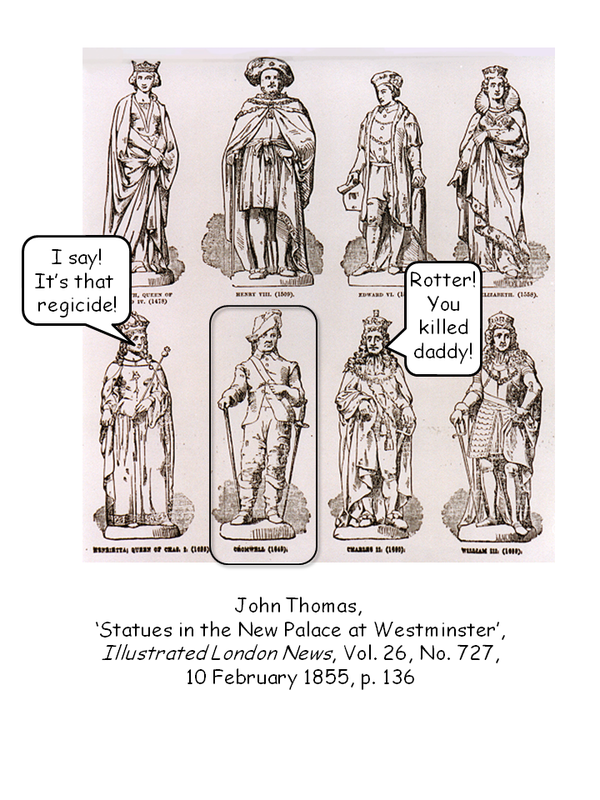
Cromwell was still causing a right royal rumpus two centuries later. This was in relation to the decorative scheme planned for the New Palace at Westminster. If you look carefully you'll see that parliament's façade is festooned with statues of the various kings and queens that have ruled England and Britain through the ages.

This carved history posed a dilemma to its designers: what should be done about Cromwell?

For the sake of historical accuracy and completeness he ought to have been slotted in between Charles I (executed in 1649) and his son, Charles II (restored to the throne in 1660).

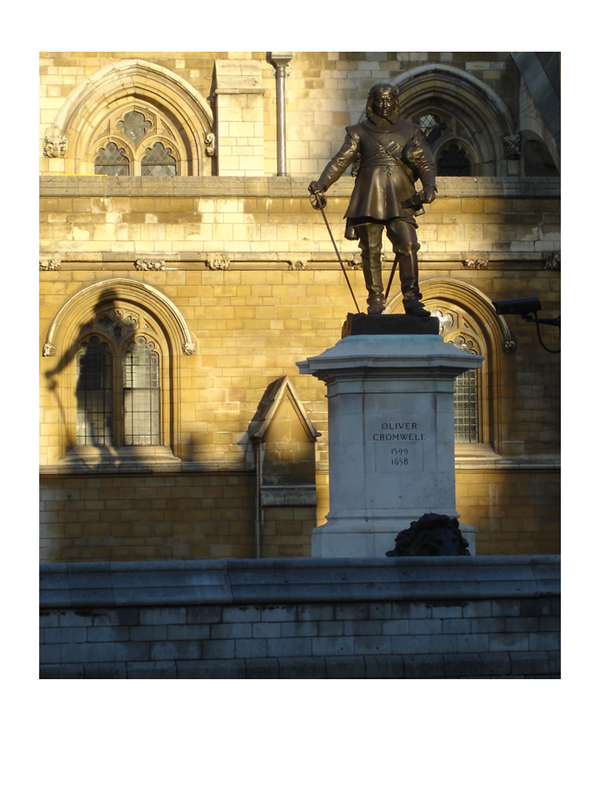
But placing a regicide in a royalist pantheon proved to be a commemorative step too far.(3) Cromwell was sculpturally excised from British history. Not until the very end of the 19th century was the Lord Protector rewarded with a statue. He stands there to this day: at one remove, deep in thought and with his back turned to parliament.(4)

So, whether you like it or not, Cromwell is part of Britain's political and monarchical history. If "Big Ben" must have new nomenclature, then it should from this year on be known as "Cromwell Tower".

What better way to mark Queen Elizabeth's jubilee? A silent admonition not only to this monarch but to all her heirs: they occupy positions of privilege and power not by right but by accidents of birth.

Other, far less anachronistic and slightly more democratic systems are possible.

The Cromwell Tower will remind the House of Windsor and all their subjects that we should not take the status quo for granted.

God Save the Queen!

____
Notes
(1) James Chapman, "Bong! Will Big Ben tower be renamed after the Queen? MPs call for the London landmark to be renamed for the Diamond Jubilee", Daily Mail, 23/03/2012, accessed 25/03/2012 at, www.dailymail.co.uk/news/article-2118999/Big-Ben-renamed-Elizabeth-Tower-Queen.html.
(2) Jon Craig, "Westminster To Honour Queen's Diamond Jubilee", Sky News, 20/03/2012, accessed 25/03/2012 at, http://news.sky.com/home/politics/article/16192187.
(3) The phrase "A regicide in a royalist pantheon" appears in the fifth chapter of my PhD, which concerned the commemorative history and symbolism of parliament and the adjacent square. See Stuart Burch, On Stage at the Theatre of State: The Monuments and Memorials in Parliament Square, London (Nottingham Trent University, 2003).
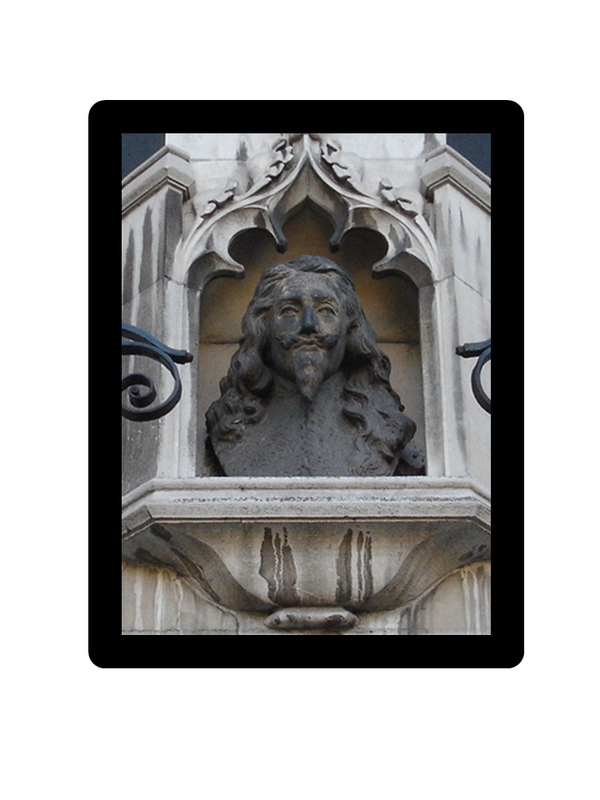
(4) The stupendous statue of Cromwell - with bible in one hand and sword in the other - was made by Sir William Hamo Thornycroft RA (1850-1925) and completed (without an unveiling ceremony) in 1899. Ever since 1950 he has stood face-to-face with a lead bust of Charles I inserted into a niche on the façade of St. Margaret's Church opposite...
     ... as can be seen below:

Looking forward with John White

23/2/2012

 
Looking forward with John White
Yesterday I received the sad news that John White had died. This fine man lived a couple of doors away from my parents' home. He was part of the universe of people that orbited around me during my formative years.

On hearing of John's death I recalled a speech he held a few years ago to mark his 80th birthday. The section that stuck most in my mind concerned John's views about technology and the future. The spectacular advances made during his lifetime prompted him to muse on all those unimaginably exciting inventions still to come.

I was inspired and invigorated by John's unbridled optimism. It was so refreshing to hear someone look forward to the future with hope and excitement instead of the usual fear and foreboding.

Yet this wide-eyed enthusiasm was tinged with sadness: John confessed how frustrating it was to know that he would not live long enough to witness the 21st century at first hand.

So, thanks, John. The speech you gave upon reaching your 80th birthday remains with me still. Your words are a continual reminder that we should disregard those among us who habitually dismiss "old people" as timid technophobes who don't understand the present, fear the future and long for the good-old-days.

Our best hope for the 21st century is to live it with the same sort of eager curiosity as that expressed by John White as he was about to begin his ninth decade on the planet.

Jebediah Springfield apes Colonel George Taylor

19/2/2012

 
Jebediah Springfield apes Colonel George Taylor

Nottingham, not Newcastle

18/2/2012

 
First Duke of Newcastle on Nottingham CastleSculptor: Sir William Wilson (1641-1710), c.1680


William Cavendish, the First Duke of Newcastle-upon-Tyne
is notable in Nottingham not Newcastle
on the site of a slighted castle that has been unfortified
upon the façade of a fired house that is no longer a home
above a door that is now a window
that looks into a room without a floor
of a pioneering public art gallery
which has now been
privatized behind a paywall.

William Cavendish, the First Duke of Newcastle-upon-Tyne


assaulted, belittled, castigated, decapitated,
emasculated, flayed, goaded, hobbled,
incapacitated, jinxed, kiboshed, lacerated,
maimed, nobbled, ostracized, pelted, queered,
rubbished, slated, traduced, usurped, vilified,
whacked, xoanoned, yoked, zapped


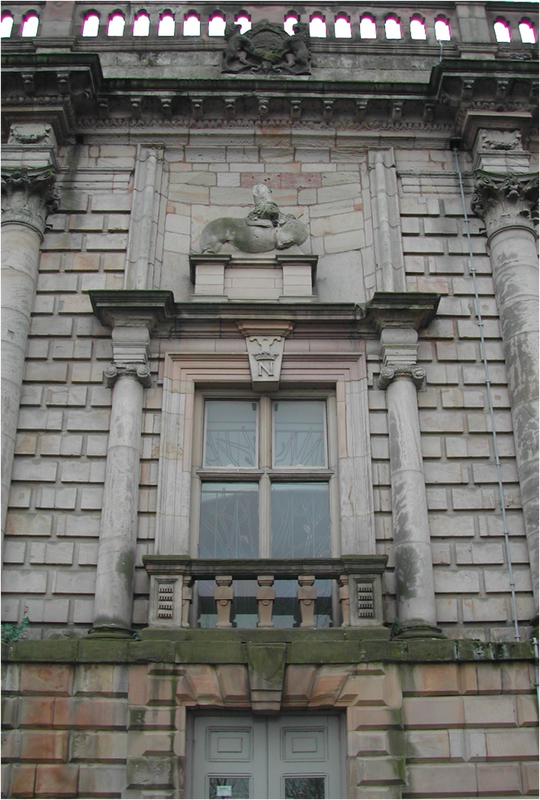
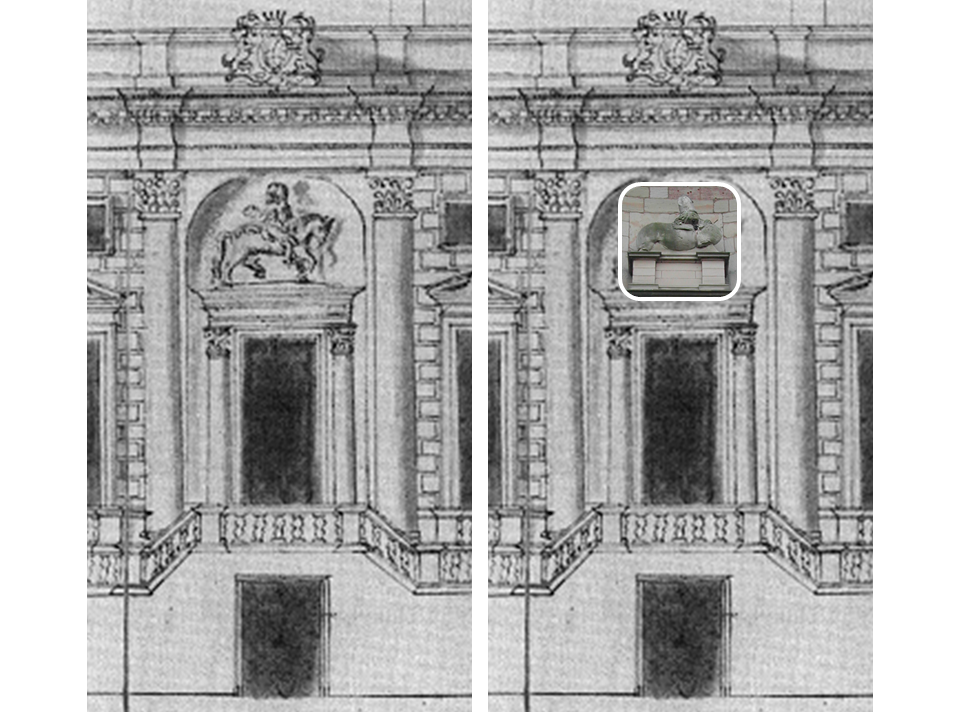
Nicholas Hawksmoor drawing of Nottingham Castle c. 1685
From a sketch by Nicholas Hawksmoor, c. 1685

Brenchley's bedroom benefaction

14/2/2012

 
Julius Lucius Brenchley
Sculptor: Joseph Durham ARA, FSA (1814-77)
_

JULIUS LUCIUS BRENCHLEY,
BENEFACTOR,
BORN at KINGSLEY HOUSE, MAIDSTONE, 30th NOVEMBER, 1816,
DIED at FOLKESTONE, 24th FEBRUARY, 1873.
After many years of travel, returning to England, he bought,
laid out, and transferred to the Maidstone Local Board the
adjacent Public Garden, and at his death bequeathed his
collections of Natural History, Books, and Works of Art to
Trustees, with an Endowment for their preservation and
exhibition in this Museum.


Alternative plaque:

_  JULIUS LUCIUS BRENCHLEY,
HOARDER,
I died and left Maidstone Museum
so much stuff
that its curator had to
give up his bedroom
and move into the attic

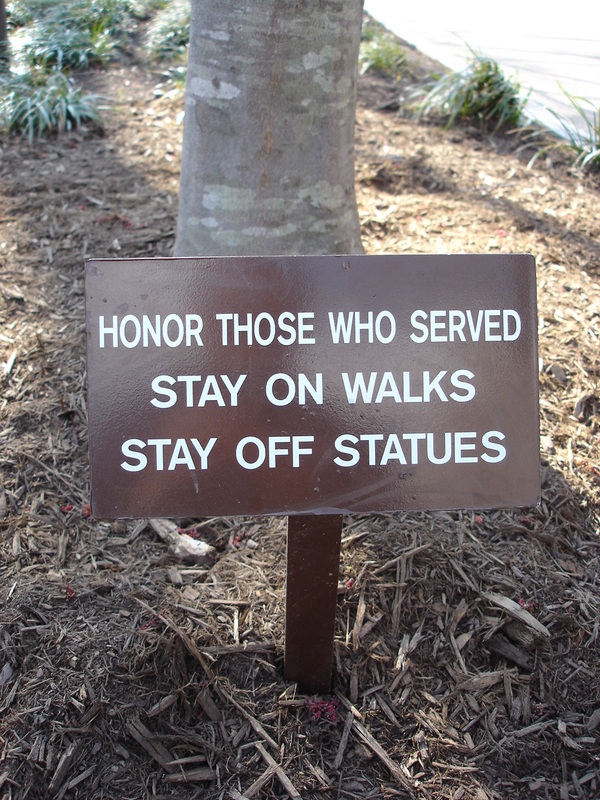
Walk Don't Walk

13/2/2012

 
Walk Don't Walk
Vietnam Veterans Memorial, Washington D.C.

A tribute to Barbara Burch

12/2/2012

 
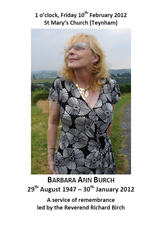
Barbara Burch
Order of service
_Two weeks ago I was sat at my mother's bedside. She was dying and she knew it.

At one point during her long ordeal she suddenly let out a cry of "Oh no!"

Worried, I asked her what was wrong.

"It's Hayley Tucker's birthday and I haven't sent her a card. Can you do it?" Later, as her health deteriorated, she changed her mind and asked me to telephone her instead. "You don't mind doing it, do you?", she asked anxiously.

That was so typical of Barbara Ann Burch. Even as her life was coming to an end she was thinking about other people. People like Hayley Tucker, one of her sister's many former girlfriends. Or her neighbours: she asked me to tell them that they were "the best friends I could ask for". She had so much love for them.

We can therefore only begin to appreciate how much love she had for her family. It's not easy to convey just how important we all were to her.

That's why I brought this along.(1) We are all bound up in this bible. It was a Christmas present to Barbara from her mum and dad when she was 12 years old – the same age as her second granddaughter Eloise is today. It's crammed full of ephemera such as letters, children's drawings, pictures of her siblings and even a copy of her grandparents' marriage certificate.

There's also a photograph of Barbara Prince aged 3. She's sat on a swing looking at a dog called Spot. Next to it I found another scrap of paper with the words: "I like the dog. You like the dog. You and I like the dog". It was written by my brother Nick when he must have been about the same age as his daughter, Grace.

Thanks to this copy of the bible I know that my other brother Chris weighed 6 lbs, 7 ozs when he was born on 7th May 1969 – and that he had more than doubled in weight by 17th July. He's still growing.

Then there's a dashing photograph of my dad aged 18 and looking frankly gorgeous.

On the inside cover of the bible my mum had written what were for her the four key events in her life: marriage to Martyn and the birth of me and my two brothers.

I've spent quite a lot of time looking at that photograph of Barbara and Spot. What dreams and aspirations were going through that little girl's mind as she sat on that swing looking at her dog? She was then aged just a bit older than her youngest grandchild, Charlie.

He together with his sister, Grace and their cousins Ellie and Sian were my mum's absolute pride and joy. The health problems and chronic pain that afflicted her for so many years would miraculously fade away at the chance to be with them and feed them endless meals.

I get the distinct impression that this has always been the case. The home of my newly married parents must have entertained frequent visitors. Moving to Kent inevitably meant less contact with her family but she thought about you always. There was a special place in her heart for her brother Christopher who died so long ago.

Her sister Gill, I think, had a second mum in Barbara Burch.

So although she had no daughters by birth, she acquired them through life. I know how much my wife Cecilia, Chris's wife Natasha and Nick's partner Nikola meant to my mum.

It's fitting that the last person that Barbara spoke to was her husband, Martyn. With nearly her last breath she declared: "Mart, I'm dying". It didn't sound like fear. It was more a statement of fact. When I heard those three words I was reminded of a quote from Peter Pan to which my mum often referred: "To die will be an awfully big adventure."

But be in no doubt: Barbara Burch was in no rush to embark on that journey. She fought and fought when so many others would have given up. Her list of ailments was epic.(2) She'd had a bit of her brain removed as well as a part of a leg; one toe; an appendix; a hip and a few teeth. Her spine was crumbling, her arteries were blocked, and her joints were riddled with arthritis.

But no one would have guessed this from looking at her.

Going to the hospital with my mum always left me feeling a bit awkward. If you had to choose which one of us was in search of specialist medical treatment, who would you pick? This vibrant, cheerful, stylish and perfectly presented woman? Or her skinny, pale, tired, miserable-looking son?

Even as a corpse she looked beautiful.

This, however, belied the sheer bloody brutality of her death. In the many hours spent at her bedside I found myself encouraging her to – in the words of Dylan Thomas – "lie still, sleep becalmed".(3) In the end I was roaring her on, urging her to keep fighting. It was so characteristic of Barbie that, when all seemed lost, she suddenly opened her sightless eyes and exclaimed: "I'm alive!"

My mum gave me the gift of life. In her final hours she gave me the gift of death. It was a privilege to be with her when she died.

I accompanied my mother in the ambulance that transferred her to London. I'll never forget the look on her face as she stared up at the imposing façade of St Thomas' hospital. She knew, I think, that this was to be one fortress that she couldn't scale.

It was fitting that she should finally be defeated in a little patch of St Thomas' hospital that will be forever Wales. The Coronary care unit of St Thomas' is dedicated to the Welsh-speaking cardiologist, Evan Jones who died in 1969.(4)

Barbie's love for Wales was encapsulated in the poetry of Dylan Thomas. He has been an immense comfort to me in the days since my mother's death. Thomas' poem "Do not go gentle into that good night" was dedicated to his father. But his words are universal.(5) The notion that "Old age should burn and rave at close of day" was carried out in full by my mother.

In that poem Thomas refers to those whose "words had forked no lightning". That was true of my mum. Beyond those lucky enough to be related to her or live next door, few people got to know her. She didn't attract attention like lightning does – she was far too modest for that.

We live in a society obsessed with celebrity. This makes us overlook the heroes and heroines closer to home. Those unspoken people who are locally famous.

There are lots of stupid educated people out there. Barbara Burch was an enormously intelligent person. But she was deprived of formal education. Her chronic illnesses prevented her from exploring the world or developing a career. She was an immensely interesting individual, but lacked self confidence and, alas, self worth.

Her giving nature made it easy for us to take her for granted.

It was these facets of her personality that prompted me to ask that Psalm 138 be read during this service of remembrance. Barbara Burch's modesty fitted the love of a god who "regards the lowly" but looks askance at the arrogant and stuck-up. My mother's loving nature was rooted in the "steadfast love and... faithfulness" that she learnt at Sunday School. Did you know that, as a little girl, Barbara Prince secretly dreamed of being a missionary? Illness in later life meant that she, to quote Psalm 138, "walk[ed] in the midst of trouble".

That same psalm calls on God to "preserve [us] against the wrath of [our] enemies". The idea of Barbara Burch having enemies seems wrong. But she did have internal foes – self-doubt, a lack of confidence – plus that ultimate opponent: Death.

Death is an enemy that we must all face. But my mum taught me that even this seemingly invincible adversary can be defeated – by love.

The English language only has one word for love. The Greek language has four. They are storge (meaning familial love and affection); philia (friendship); agape (charity), and eros or romantic love. Barbie was full to the brim with them all – no more so than when she was lying dying thinking of others.

Alas, a day will surely come when there is no one left alive who remembers Barbara Burch. But the qualities she espoused will live on in all those who came into contact with her. My personality and that of many of you here have been positively influenced in an infinite variety of ways by that truly remarkable woman. And for that we should be eternally grateful.

Knowing that we'll never again spend time in the company of Barbara Burch is terribly, terribly painful. "It's hard to smile" when "there's nothing left" and "[a]ll is gone and run away".

Those words come from the song that my mum wanted you to associate with her now that she has left us: it's Steve Harley & Cockney Rebel's "Come up and see me, make me smile".(6)

Barbara Burch is now "in [her] country heaven".(7) So please do go up and see her, make her smile.

____
Notes

(1) The Authorised King James Bible (London & New York: Collins, 1956).
(2) Barbara Burch's medical history included Cushing's syndrome which led to brain surgery and the removal of her pituitary gland at John Radcliffe Hospital, Oxford in November 1984. As a result of this she was obliged to take replacement hormones for the rest of her life. An appendectomy took place at the (now closed) Kent and Sussex Hospital on 9 December 1989. It was there that she suffered a myocardial infarction – i.e. a heart attack – on 23 June 1999. This led to a triple bypass operation at St Bartholomew's Hospital on 20 September 1999. Other ailments included diabetes insipidus, fibromyalgia, osteoarthrosis, rheumatoid arthritis and osteoporosis (the last named caused her spine to curve and the necessity for a hip replacement). Towards the end of her life she had to have a toe amputated and, in May 2009, she fainted due to low blood pressure. In the resulting fall Barbara sustained fractures to her right fibula and an open fracture of the tibia, which became infected with MRSA. Expert plastic surgery was required to avoid amputation of the leg. Around the same time she was diagnosed with hyperlipidaemia, oesophageal erosions, hiatus hernia and a severe vitamin D deficiency. Barbara Burch eventually died due to an acute type A aortic dissection (a tear to the inner wall of the aorta).
(3) "Lie still, sleep becalmed", poem 155 in Daniel Jones (ed.) Dylan Thomas: The Poems (London: Dent, 1990).
(4) Evan Jones (1907-69), "Obituary", British Heart Journal, vol. 32, 1970, pp. 559-560.
(5) "Do not go gentle into that good night", poem 162 in Jones, 1990.
(6) "Make Me Smile (Come Up and See Me)", written by Steve Harley (& Cockney Rebel) (1975, 4:01, EMI).
(7) "In country heaven", poem (a) in Jones, 1990, pp. 215-216.


Supplemental
08/07/2012
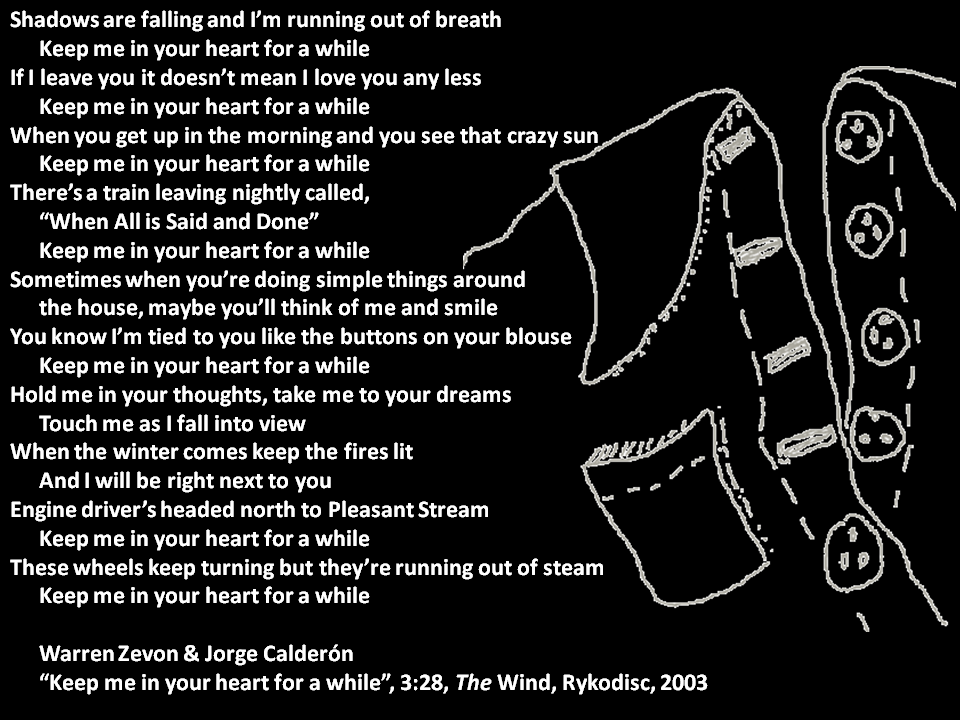
Warren Zevon, Keep me in your heart

Time has ticked a heaven round the stars

2/2/2012

 
Barbara Burch's funeral was conducted by the Reverend Richard Birch at St Mary’s Church (Teynham) on Friday 10th February 2012 at 1 o'clock. The order of service is available here, as is the eulogy I gave. At 2 o'clock her body was lowered into plot 166 of Deerton Natural Burial Ground (www.kentnaturalburials.co.uk).


Barbara Burch
The force that through the green fuse drives the flower, by Dylan Thomas

Barbara Ann Burch (1947-2012)

31/1/2012

 
Barbara Burch
Barbara Burch
__
11:55 am, Monday 30th January 2012
Evan Jones (1907-69) Coronary care unit (CCU), St Thomas' Hospital, London

Barbara Burch in memoriam


__Do not go gentle into that good night,
Old age should burn and rave at close of day;
Rage, rage against the dying of the light.

Though wise women at their end know dark is right,
Because their words had forked no lightning they
Do not go gentle into that good night.

Good women, the last wave by, crying how bright
Their frail deeds might have danced in a green bay,
Rage, rage against the dying of the light.

Wild women who caught and sang the sun in flight,
And learn, too late, they grieved it on its way,
Do not go gentle into that good night.

Grave women, near death, who see with blinding sight
Blind eyes could blaze like meteors and be gay,
Rage, rage against the dying of the light.

And you, my mother, there on the sad height,
Curse, bless, me now with your fierce tears, I pray.
Do not go gentle into that good night.
Rage, rage against the dying of the light.

by Dylan Thomas
 (with slight modifications)

Accidents don't happen

5/1/2012

 
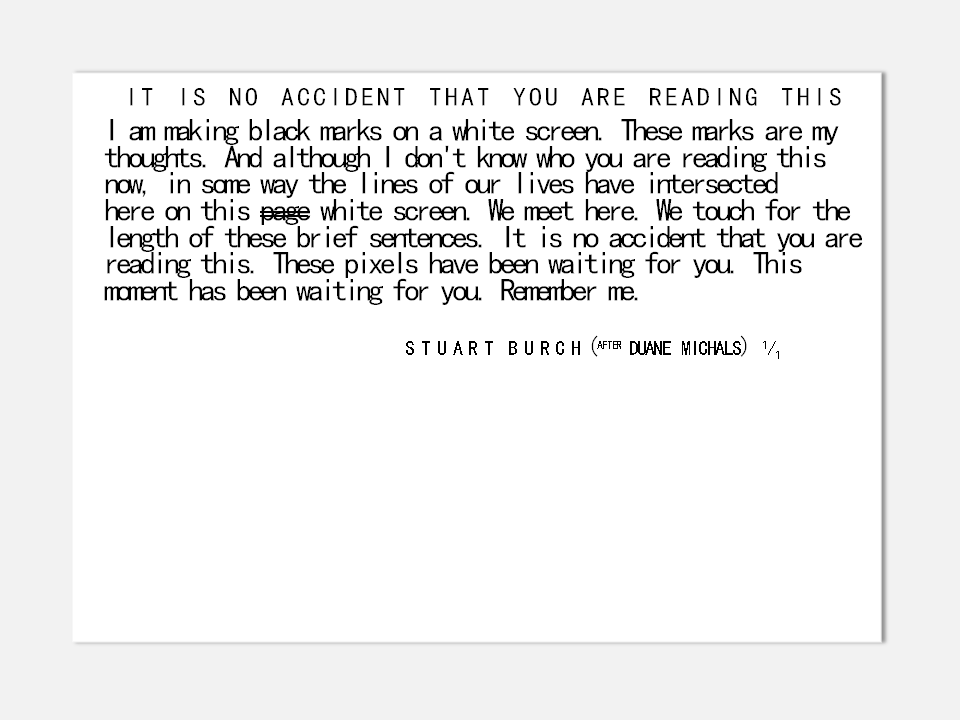
IT IS NO ACCIDENT THAT YOU ARE READING THIS
<<Previous
Forward>>
    Author
    an extinct parasite
    of several hosts
    Why parasite?

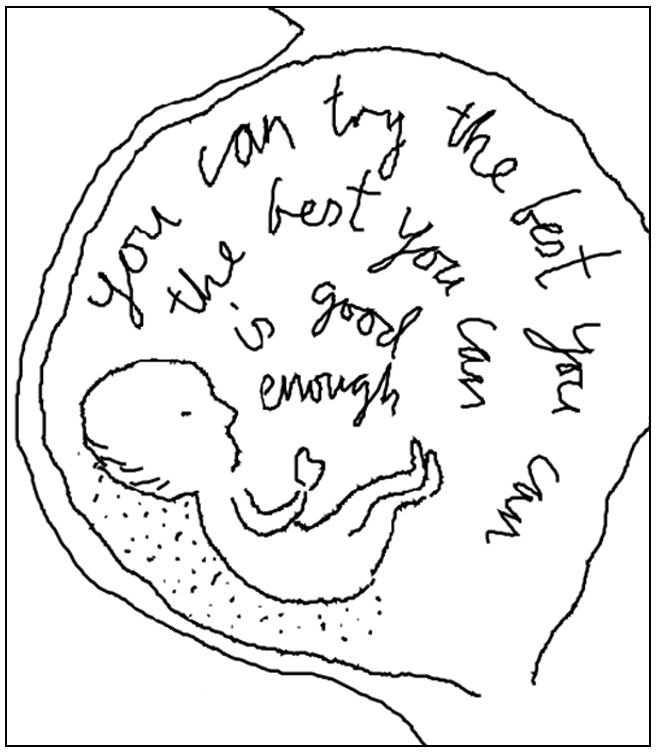
    Try the best you can

    Para, jämsides med.
    En annan sort.
    Dénis Lindbohm,
    Bevingaren, 1980: 90

    Picture
    Even a parasite like me should be permitted to feed at the banquet of knowledge

    I once posted comments as Bevingaren at guardian.co.uk

    Guggenheim New York, parasitized

    Archives

    July 2019
    July 2018
    May 2018
    April 2018
    March 2018
    February 2018
    July 2017
    June 2017
    March 2017
    January 2017
    November 2016
    October 2016
    May 2016
    April 2016
    March 2016
    August 2015
    September 2014
    August 2014
    November 2013
    August 2013
    June 2013
    April 2013
    March 2013
    February 2013
    January 2013
    December 2012
    November 2012
    October 2012
    September 2012
    August 2012
    July 2012
    June 2012
    May 2012
    April 2012
    March 2012
    February 2012
    January 2012
    December 2011
    November 2011
    October 2011
    September 2011
    August 2011
    July 2011

    Categories

    All
    Architecture
    Archive
    Art
    Commemoration
    Dénis Lindbohm
    Dennis Potter
    Design
    Dylan Thomas
    Ethics
    Framing
    Freedom Of Speech
    Heritage
    Heroes And Villains
    History
    Illicit Trade
    Landscape
    Media
    Memorial
    Museum
    Music
    Nordic
    Para
    Politics
    Rupert Murdoch
    Science
    Science Fiction
    Shockmolt
    Statue
    Tourism
    Words

    Stuart Burch
    View my profile on LinkedIn
    _
    Note    All parasitoids are parasites, but not all parasites are parasitoids
    Parasitoid    "A parasite that always ultimately destroys its host" (Oxford English Dictionary)


        I live off you
        And you live off me
        And the whole world
        Lives off everybody

        See we gotta be exploited
        By somebody, by somebody,             by somebody
       
        X-Ray Spex
            <I live off you>
        Germ Free Adolescents
            1978  

    From symbiosis
    to parasitism
    is a short step.
    The word is
    now a virus.
    William Burroughs, The word is now a virus
    William Burroughs
    <operation rewrite>

    Do nothing
    that can
    harm
    your host!

    Hal Clement
    <
    Needle>
    1950
Powered by Create your own unique website with customizable templates.